
Final conference LIFE CityTRAQ
After four years of intense collaboration, research and pilot projects on urban air quality, the LIFE CityTRAQ project is coming to an end. During the final conference, we presented which insights and solutions have been successfully applied and how local, data-driven air quality measurements can also be deployed elsewhere in Europe.
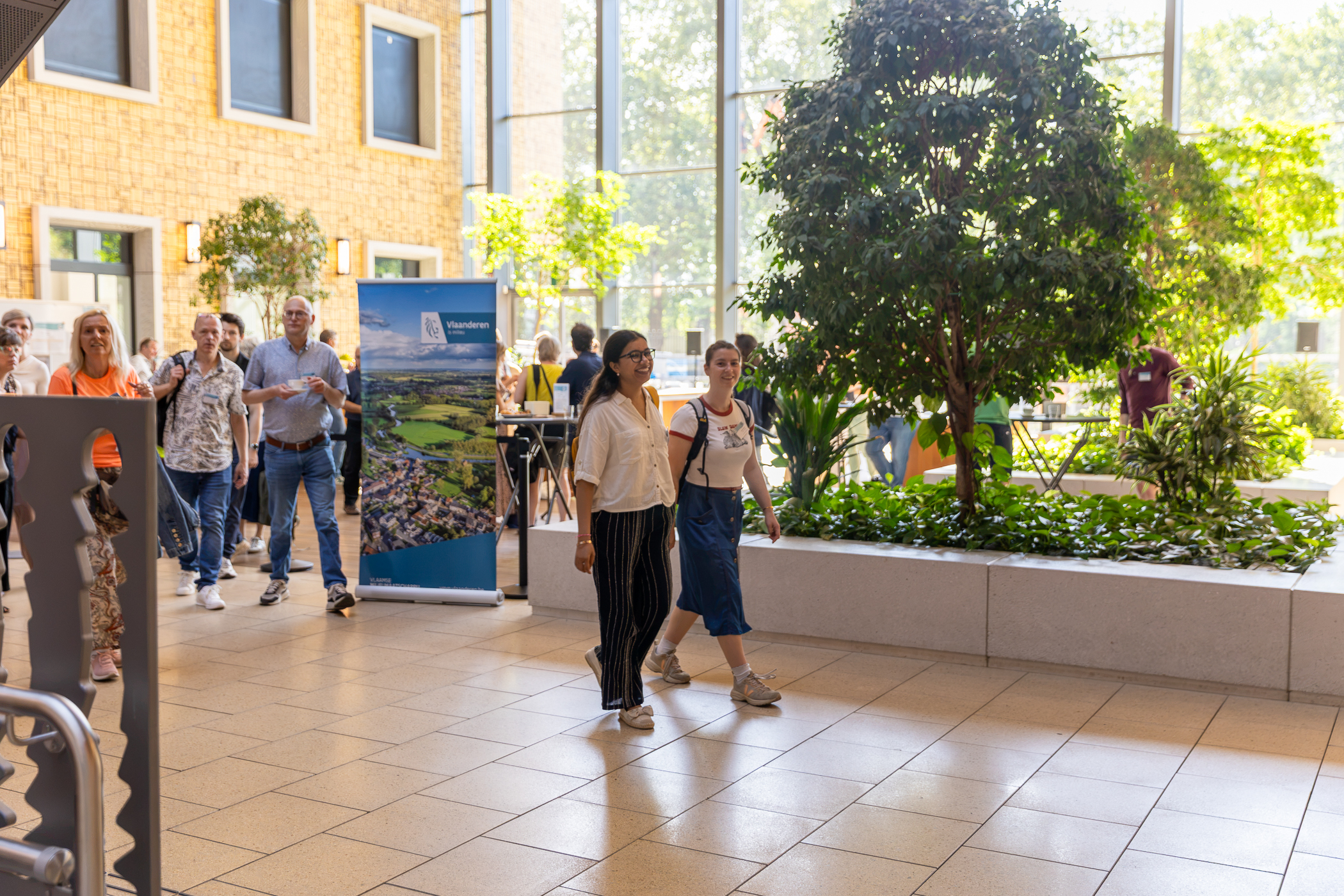
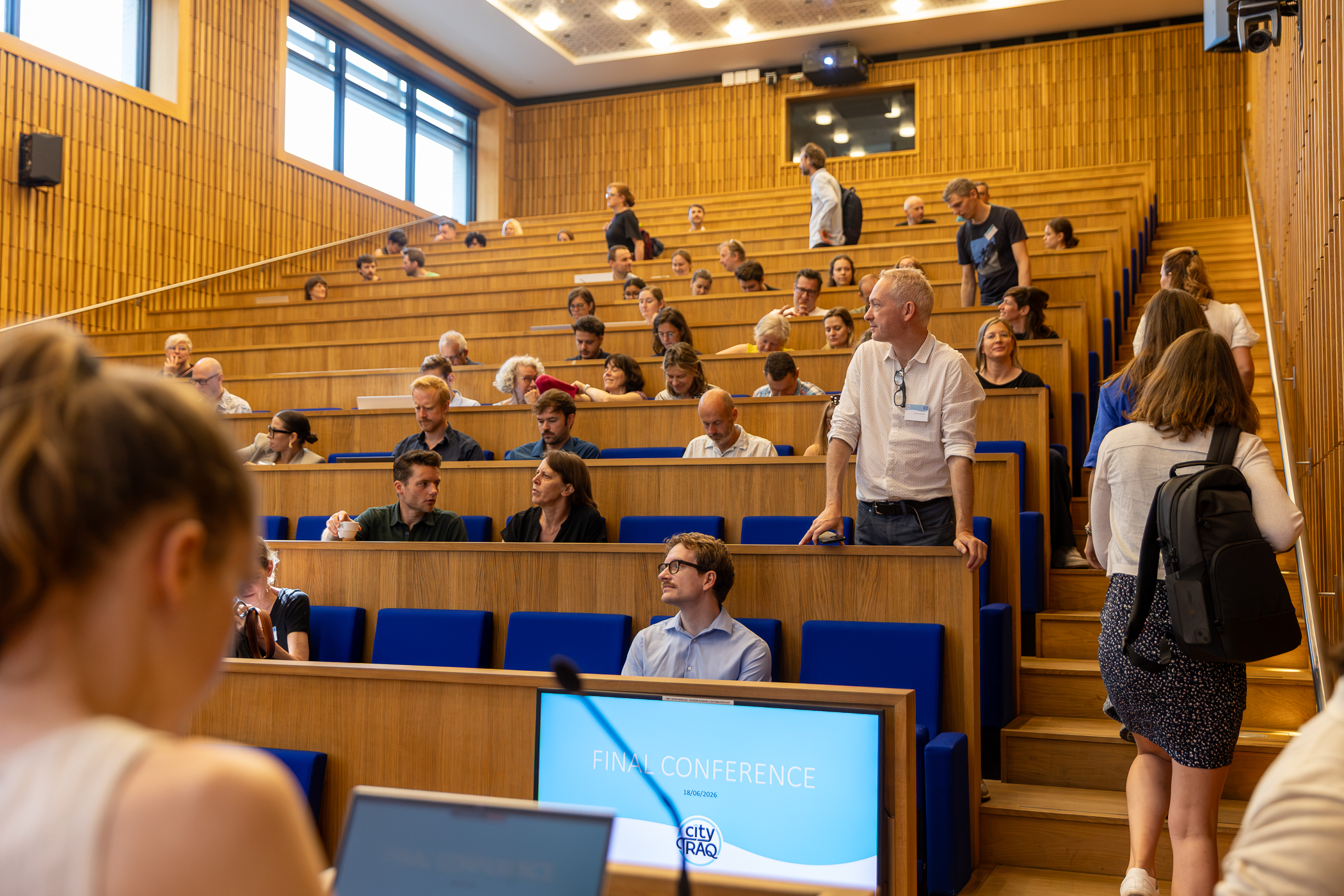
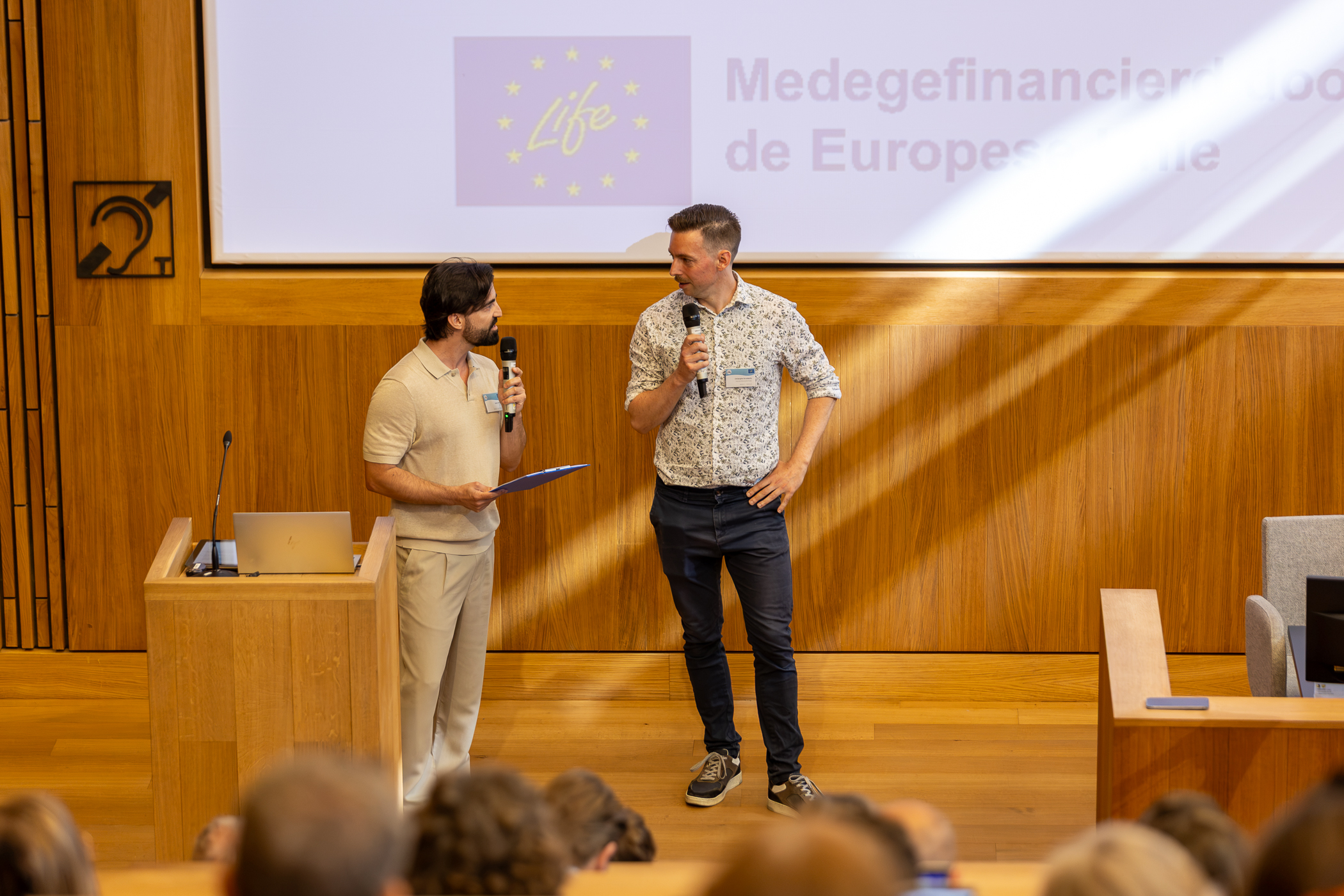
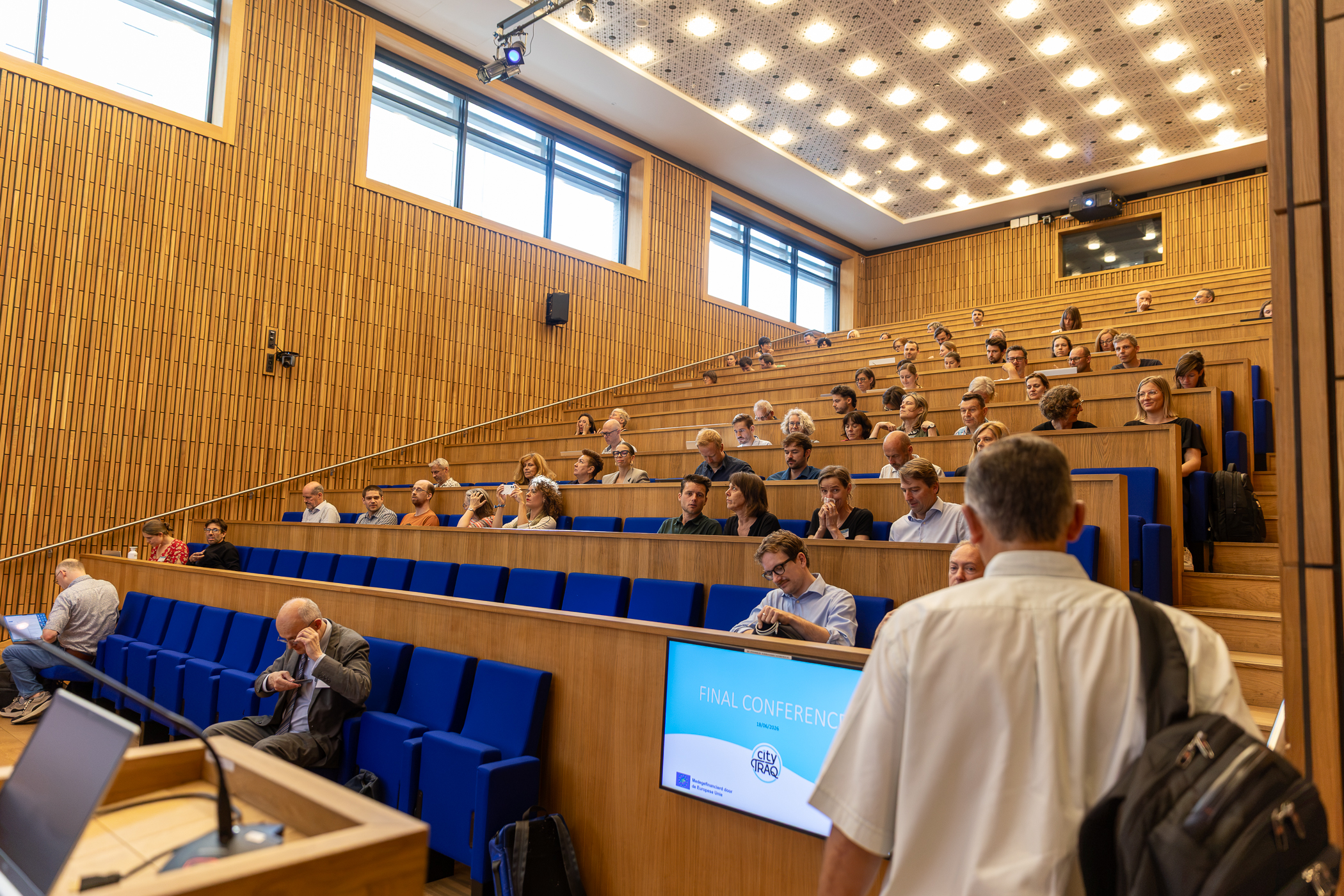
The final conference took place on Thursday 18 June 2026 in Brussels. We welcomed almost a 100 participants from different fields and EU countries.
Livestream and presentations
Missed the morning programme or want to revisit it?
Below you can (re)watch the presentations from the morning programme. Please note: due to some technical issues at the beginning, parts of the audio and visuals may be briefly interrupted.
Downloads
- Morning session part 1
EU Ambient Air Quality Directive 2024/2881: what cities must prepare for by 2030 — and how tools and participation help.
Insight to Impact: How Digital Tools Shape Smarter Policies
From stale data to an X-Citing Citiverse: bringing environmental impact and mobility scenarios into citizen‑friendly XR twins
Sensors Speak: Assessing Traffic and Air Quality Effects of Mobility Interventions
Air quality policies in EU cities
- Morning session part 2
Scaling Knowledge into Action: Zagreb as a Replication City in LIFE CityTRAQ
RI URBANS: reshape the way air quality is measured
Summary of the breakout sessions
How data and models lead to tools that support local policies. Tools developed within EU projects such as CityTRAQ and HungAIRy, as well a tool from the Netherlands, were explained and demonstrated. All these tools reveal that countries, regions and cities are looking towards data-based solutions and that EU-funded projects are successful examples of this. The integration of data from other domains (such as health, mobility, climate, etc.) may increase the public support for air quality measures and represents the future, for example through the use of digital twins.
- Download the summary
- The presentation will be uploaded soon
How can traffic data help to gain deeper insight into air quality hotspots and other environmental challenges at the local scale? How can co-creative traffic measurements and modelling lead to more data-driven urban traffic and air quality policy planning?
In this session, the CityTRAQ pilot in Antwerp serves as an example to explore these questions. The Antwerp pilot combined traffic counts using Telraam indoor and outdoor devices with the Flemish Flomovia traffic propagation model to improve air quality maps and CO2 emission calculations, with a focus on logistics and heavy traffic.
Presentations
- Telraam: Traffic data in collaboration with local citizens (Kris Vanherle)
- The Flomovia traffic propagation model: Base layer for the Flemish air quality maps (David Roet)
- CityTRAQ pilot Antwerp: Improving air quality maps through traffic counting (Raf Verbruggen & David Roet)
Discussion
The discussion focused on the use of traffic sensors – such as Telraam – and traffic models by local governments for various purposes, not only for air quality policy planning, but also for mobility policies relating to logistics, pedestrians and cyclists, as well as for setting up participative traffic counting with citizens and schools.
The value of these instruments for local policy making was clearly acknowledged by the participants of the session.
For cities that want to improve air quality, mobility policies offer great possibilities. In this session, different mobility policies were presented.
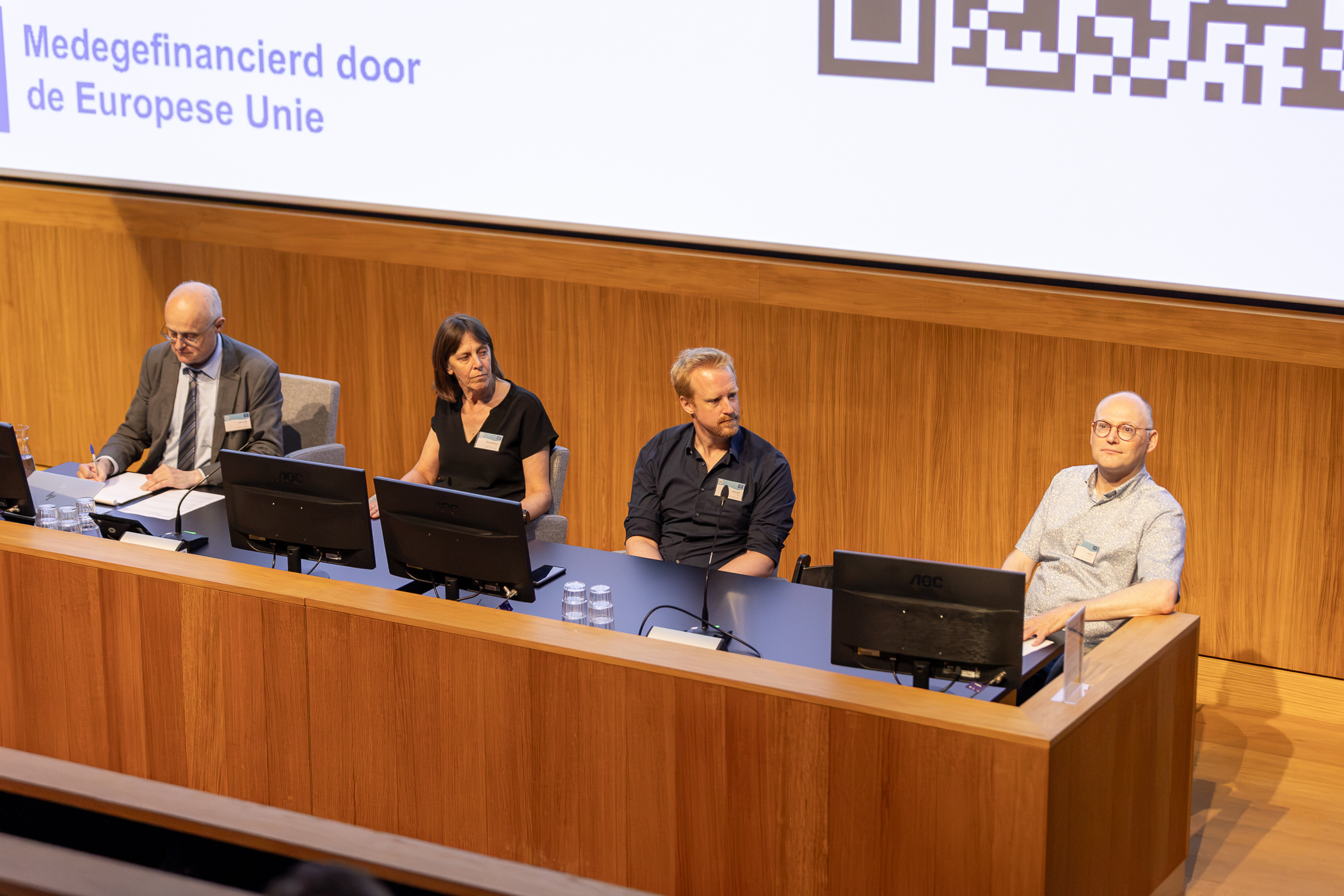
In a panel discussion, four speakers shared their knowledge:
- Laura Tavernier, a mobility expert at Rebel, specialising in urban logistics and freight transport who has worked for several Flemish cities including Bruges and Antwerp,
- Sarah Hollander, Head of the Sustainable Mobility Department at Brussels Environment, who works on a broad array of measures in Brussels from low-emission zones to behavioural change.
- Muriël van Oers, a policy advisor on air quality, citizen science and communication at Rijkswaterstaat, who works for the Clean Air Agreement that aims to improve air quality in the Netherlands through collaboration between local, regional, and national governments, experts and citizens.
- Josette Vallentgoed-Udo represented the City of Amsterdam that has ambitious plans for zero-emission transport to improve the quality of life in Amsterdam. Unfortunately she had to leave early due to a medical emergency and could not join the discussion, but her slides are included in the presentation.
The panel discussion started with a topic introduced by Sarah, who explained the difficulties encountered in Brussels when the local government changed following a very lenghty process of forming a new local administration. The uncertainty stalled the progress of the implementation of a number of plans. All panellist recognized these challenges, not only at the local level but also at the national level.
Another topic, that was extensively discussed, was how to gain the support of stakeholders affected by new mobility policies. The importance of face-to-face meetings, listening to feedback, and providing practical support was stressed. For example, Laura mentioned that the building sector required specific adaptations to the policy plans. Sarah explained how, in Brussels, test drives in electrical cars had been organised and proved to be very popular.
Another interesting topic was collaboration between cities. Muriël explained how this is organized in the Netherlands through the Clean Air Agreement. Participants from the CityTRAQ cities in the audience shared how they had inspired one another in the aera of mobility policies.
All in all, it was a very lively and interesting discussion in which participants not only learned a great deal from one another, but also realised that they shared many similar experiences.
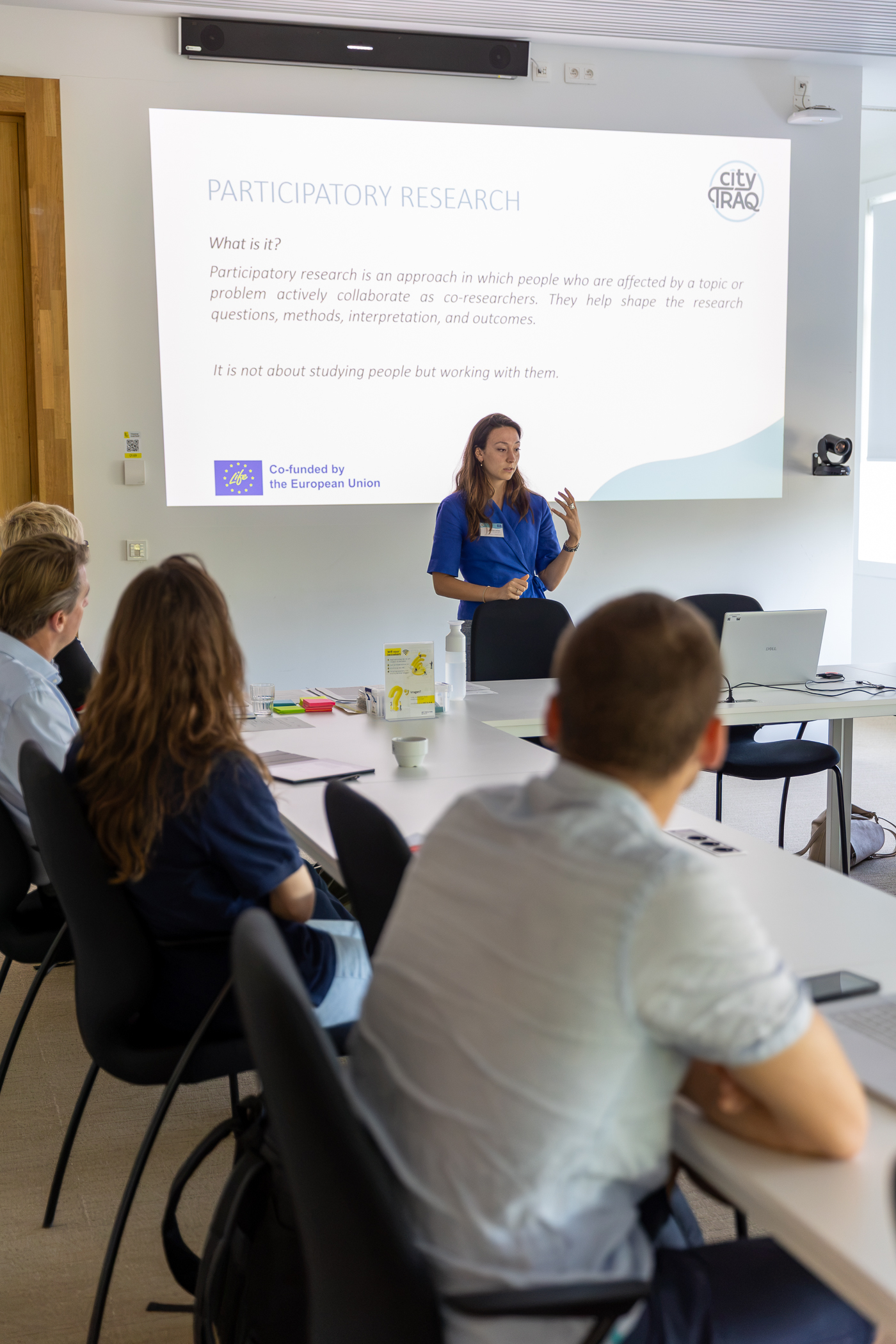
This session focused on co-creation and participation as key approaches in research and practice.
- Margot Verhelst (imec–mict–UGent) highlighted the value of participatory research. She explained what participatory research entails, why it is important, and how it can be structured using a design thinking process.
- Heijke Rombaut (City of Ghent) addressed the challenge of making the invisible visible, specifically how to visualize air quality. She presented the Ghent co-creative project on real-time air quality visualization at school gates, outlining both its objectives and implementation and the lessons learned.
- Elke Franchois (MOBIEL 21) discussed key principles for addressing inclusion challenges in participatory processes, with a focus on citizen science and data visualization.
Following the presentations, participants engaged in hands-on participatory research exercises. They first reflected on provocation cards exploring different ways to involve children in mobility research, sparking lively discussions around statements such as “Children should be consulted on every street design near their school” and “A drawing by a child is data, just as valid as a traffic count.”
Participants then worked with a fictional scenario, selecting a persona (school principal, teacher, child, or alderman for mobility) to develop a “day in the life” perspective. The session concluded with a group exchange of insights and experiences.
The breakout session brought together experts in air quality, science communication, and sensor technologies to discuss how complex air quality data can be translated into clear, relevant, and actionable information for citizens, the media, and policymakers.
The session was moderated by Darijo Brzoja, Head of the Air Quality Sector at the Croatian Meteorological and Hydrological Service (DHMZ). Presentations were delivered by Ivana Grljak, Public Relations, Crisis and Science Communication Expert at DHMZ, Hana Matanović, CEO of SMART SENSE Ltd., and Dr. Gordana Pehnec, Associate Professor and Senior Scientist at the Institute for Medical Research and Occupational Health in Zagreb.
In addition to the invited speakers, the discussion actively involved conference participants attending the breakout session. Participants highlighted the importance of tailoring communication to different target audiences, building trust in air quality data, and ensuring that scientific knowledge is effectively translated into concrete actions and evidence-based policymaking.
Particular attention was given to the growing role of low-cost sensor technologies, the challenges associated with their implementation, and the importance of reliable and validated data for informing citizens and supporting the implementation of European air quality legislation.
The discussion also introduced a new citizen science project that will be launched in Croatia, building on the tools and methodologies developed within the LIFE CityTRAQ project.
Hana Matanović emphasized the need for a European certification framework for air quality sensors, which would facilitate public procurement procedures for institutions while also reducing the need for repeated validation and testing.
Ivana Grljak stressed that effective communication must acknowledge that people primarily respond through emotions rather than data alone. She underlined the importance of adapting messages to different target groups in order to increase public understanding, engagement, and trust.
Dr. Gordana Pehnec welcomed the rapid development of new sensor technologies and emphasized their significant potential. At the same time, she noted that calibration and parallel measurements against reference methods remain essential to ensure data quality, improve sensor performance, and build confidence in the results.
The session concluded with a lively discussion that generated more questions than could be addressed within the available time. As the most attended breakout session of the conference, it clearly demonstrated the high level of interest in air quality communication, citizen engagement, and innovative monitoring technologies, as well as the need for continued dialogue between scientists, technology developers, policymakers, and the public.
The summary and presentations will be uploaded soon.
In this session, we explored the workflow for developing a local air quality action plan and examined how cities address wood burning as a measure to improve local air quality.
During the panel discussion, three speakers shared their experiences:
- Ellen Formesyn (City of Bruges) presented the step-by-step workflow for developing a local air quality action plan.
- Peter van Breugel (DCMR) outlined the measures taken by the City of Amersfoort, and more broadly in the Netherlands, to reduce wood burning.
- Michiel Kleinijenhuis (City of Utrecht) discussed the city’s ambitious plans to completely ban wood burning by 2030. Unfortunately, he had to conclude his presentation early due to a medical emergency.
After each presentation, participants were given the opportunity to ask questions on air quality planning and related measures.
One of the questions raised concerned why the City of Bruges aims to include health benefits in its action plan and how this will be approached, given that this additional component within the local air quality action plan is mainly perceived by the respondent as an extra cost.
The response provided was that we intend to assess the health impacts through E-HIS. In addition, we have also included ‘Gezondheidsmakers’ (Health Makers) in our stakeholder group, who can provide advice from their perspective. The intention is not to place a strong focus on the detailed quantification of health benefits and financial gains, but rather to explore where benefits can be identified in terms of gained healthy life years and, where possible, healthcare cost savings.
It is acknowledged that these financial gains will not translate directly into immediate savings for the city budget. However, we aim to communicate a positive message to citizens and inform them about the expected outcomes of our actions. Establishing a clear link with health benefits is considered crucial to convince policymakers to support the proposed measures and to demonstrate their impact on the population, across all age groups, and especially on vulnerable groups such as children, who are particularly sensitive to air pollution.
Another question concerned wood burning and how this is handled in practice in Amersfoort. In that case, enforcement officers visit residents at home. However, if residents do not answer the door, they cannot be fined, allowing wood-burning residents to avoid penalties. If there is no response, the enforcement officer leaves a letter in the mailbox to inform the resident about the nuisance.
The summary will be uploaded soon.
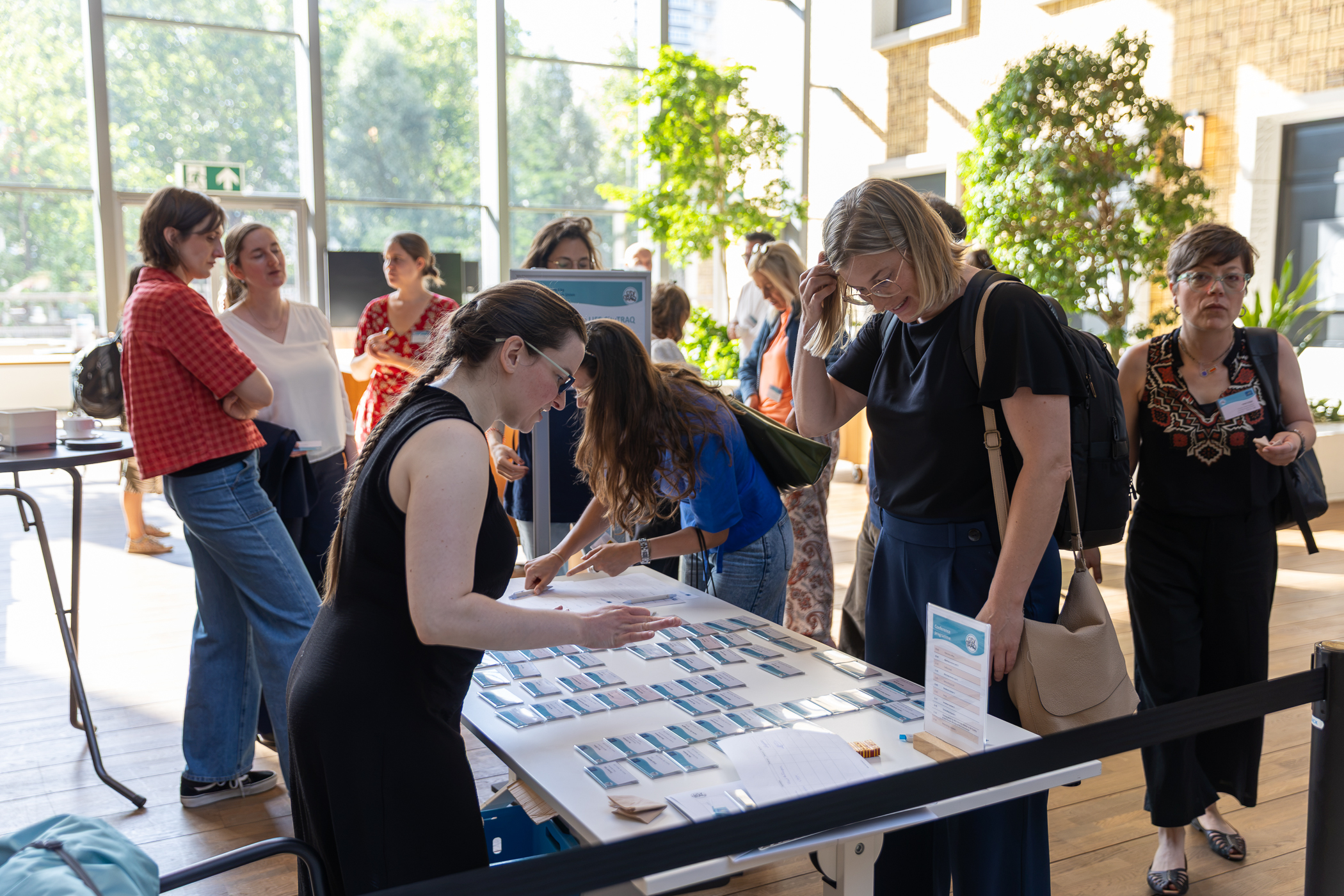
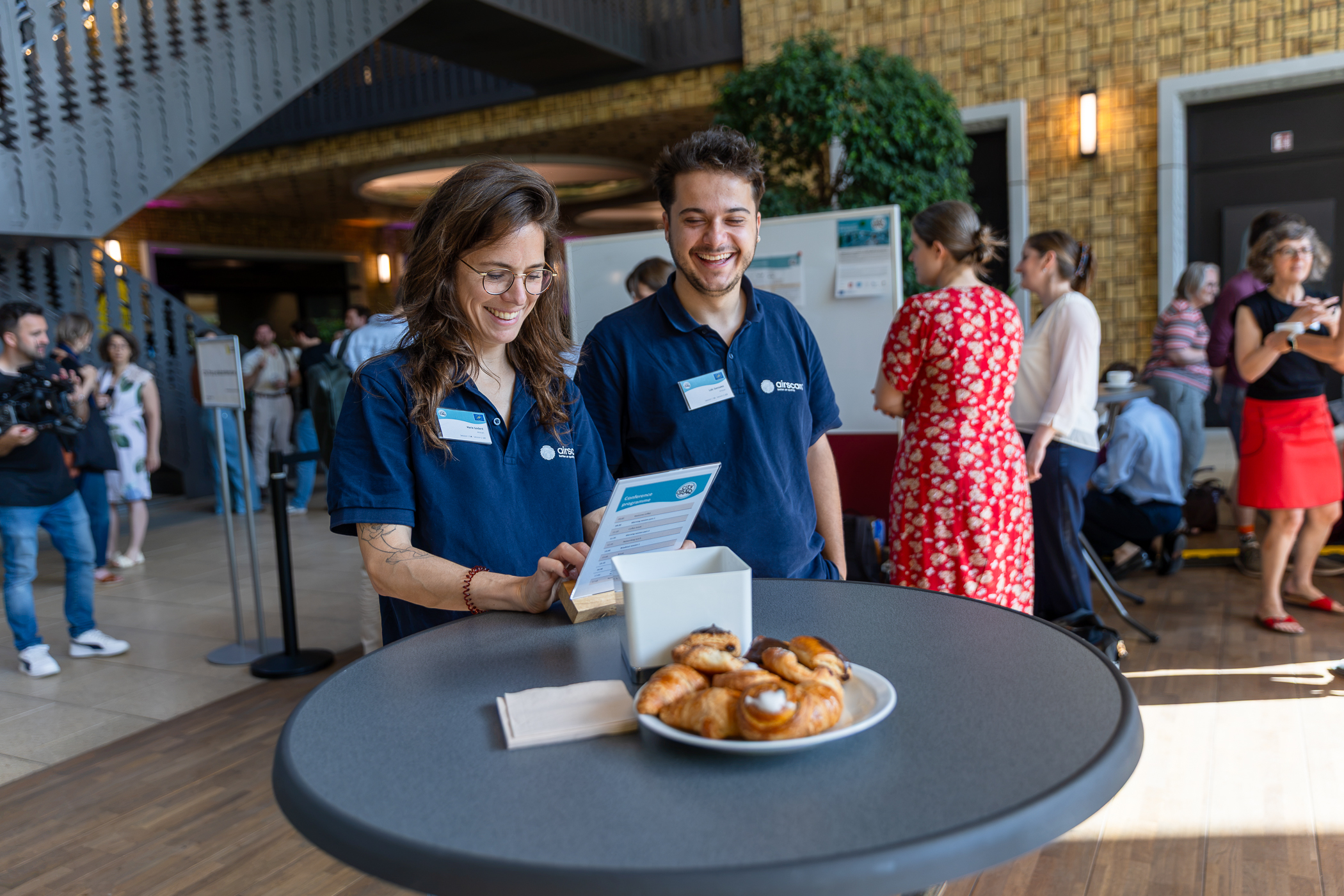
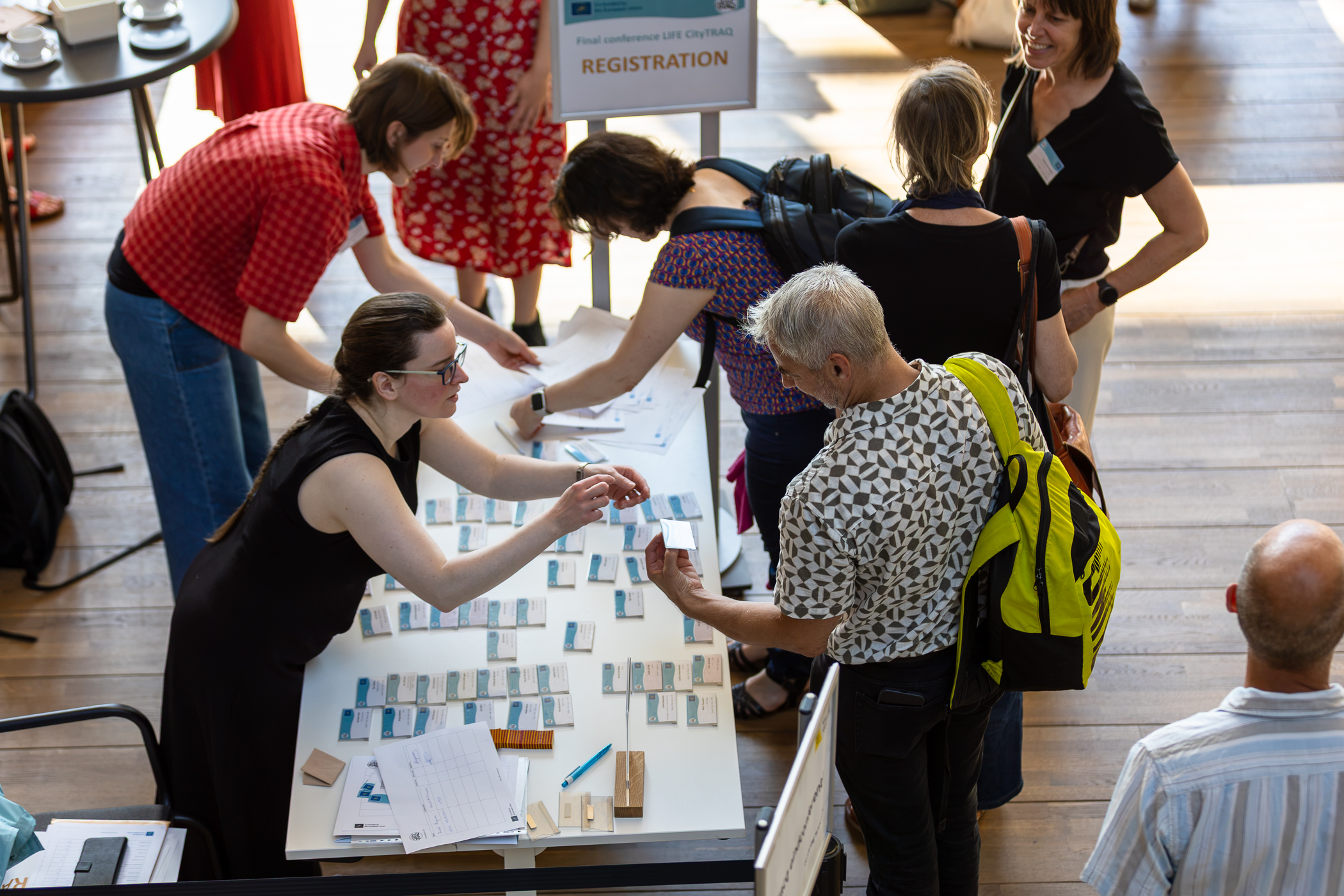
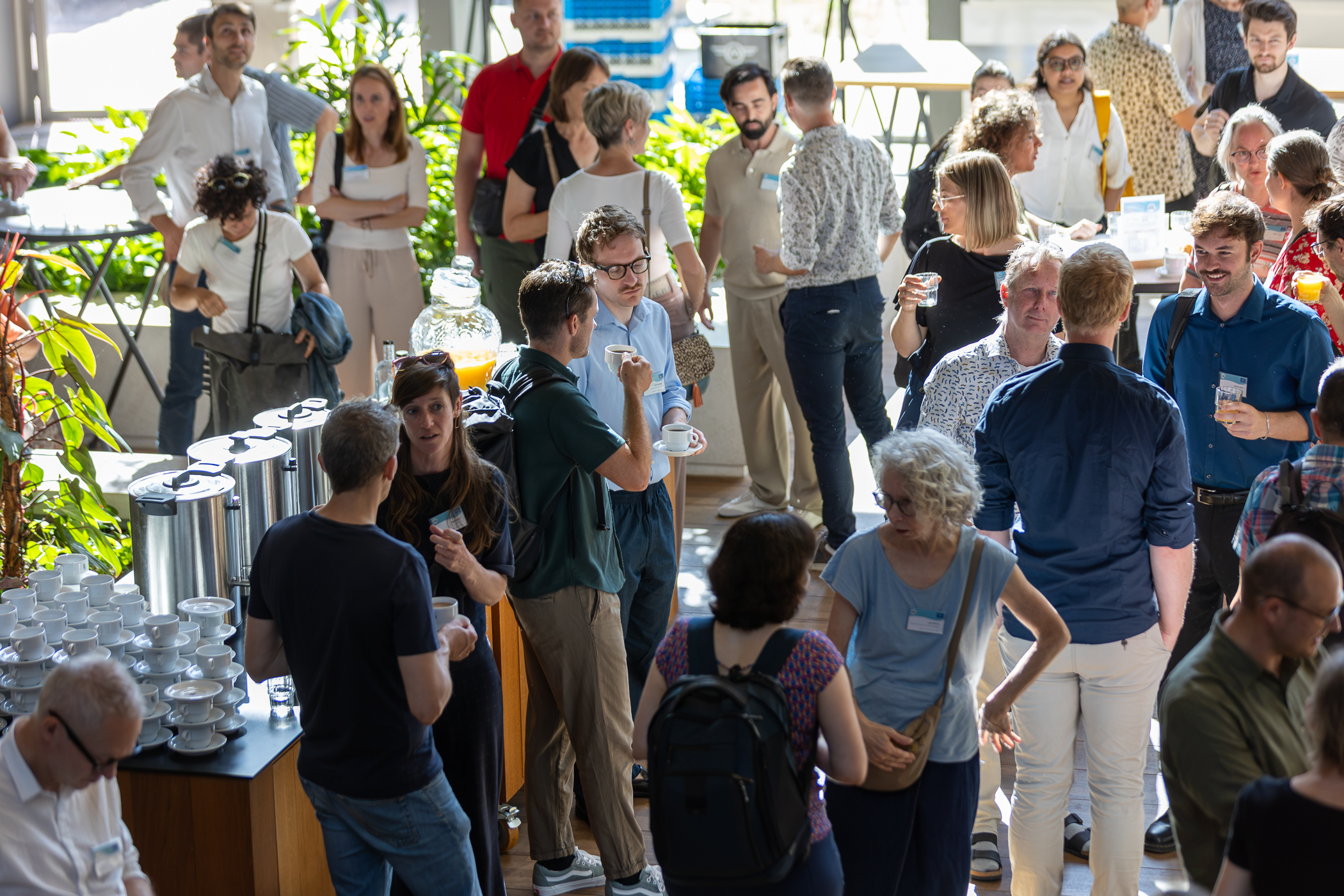
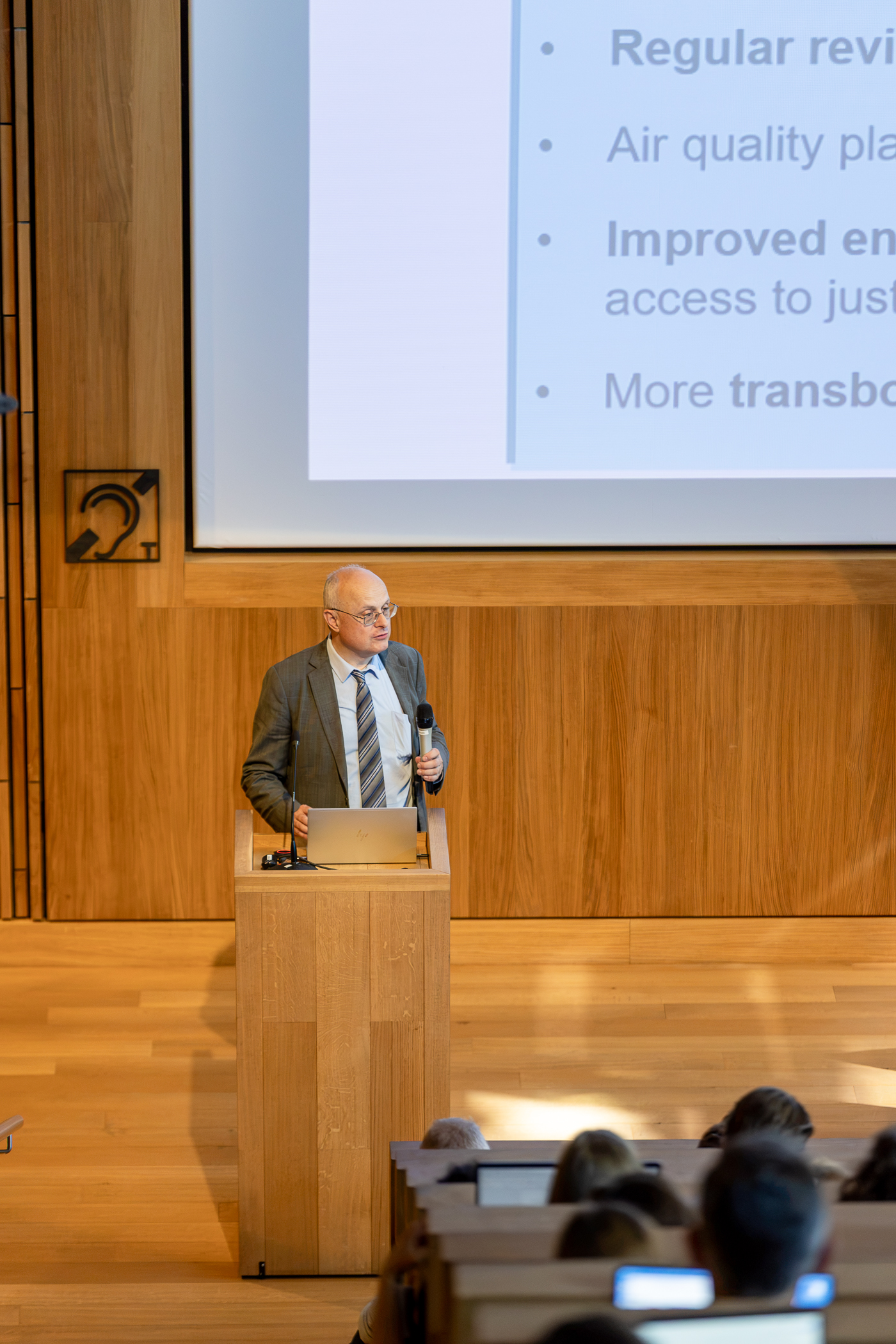
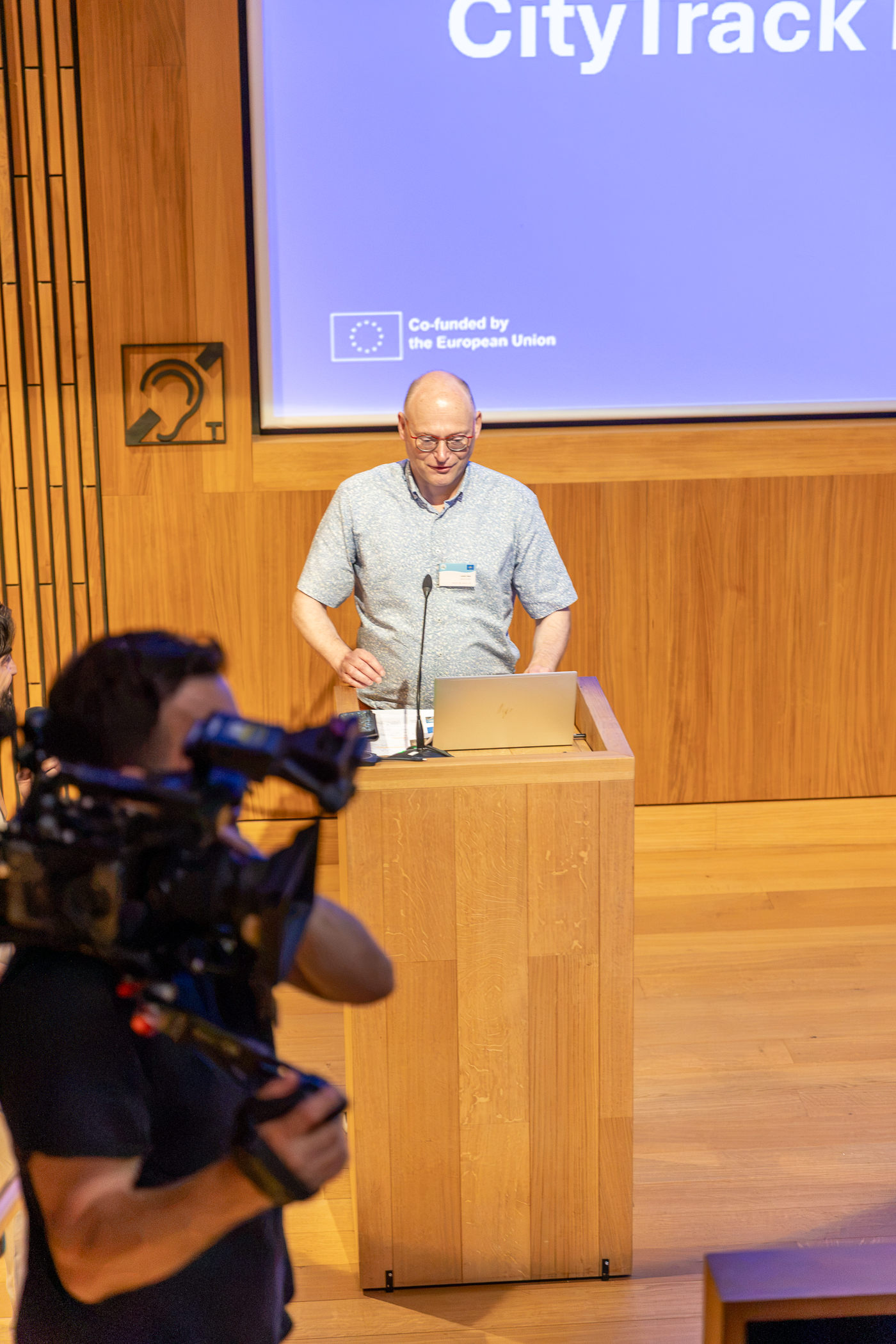
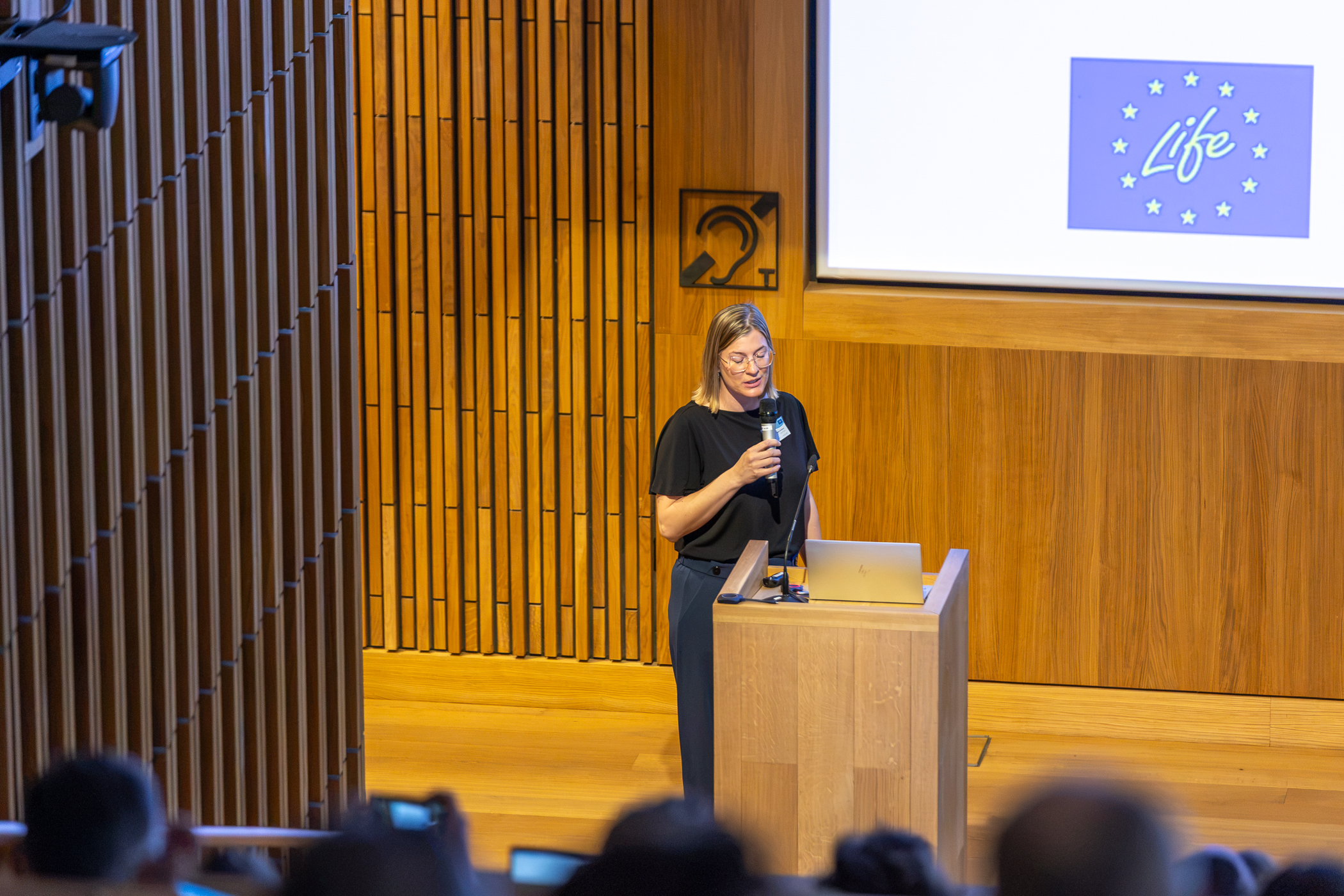
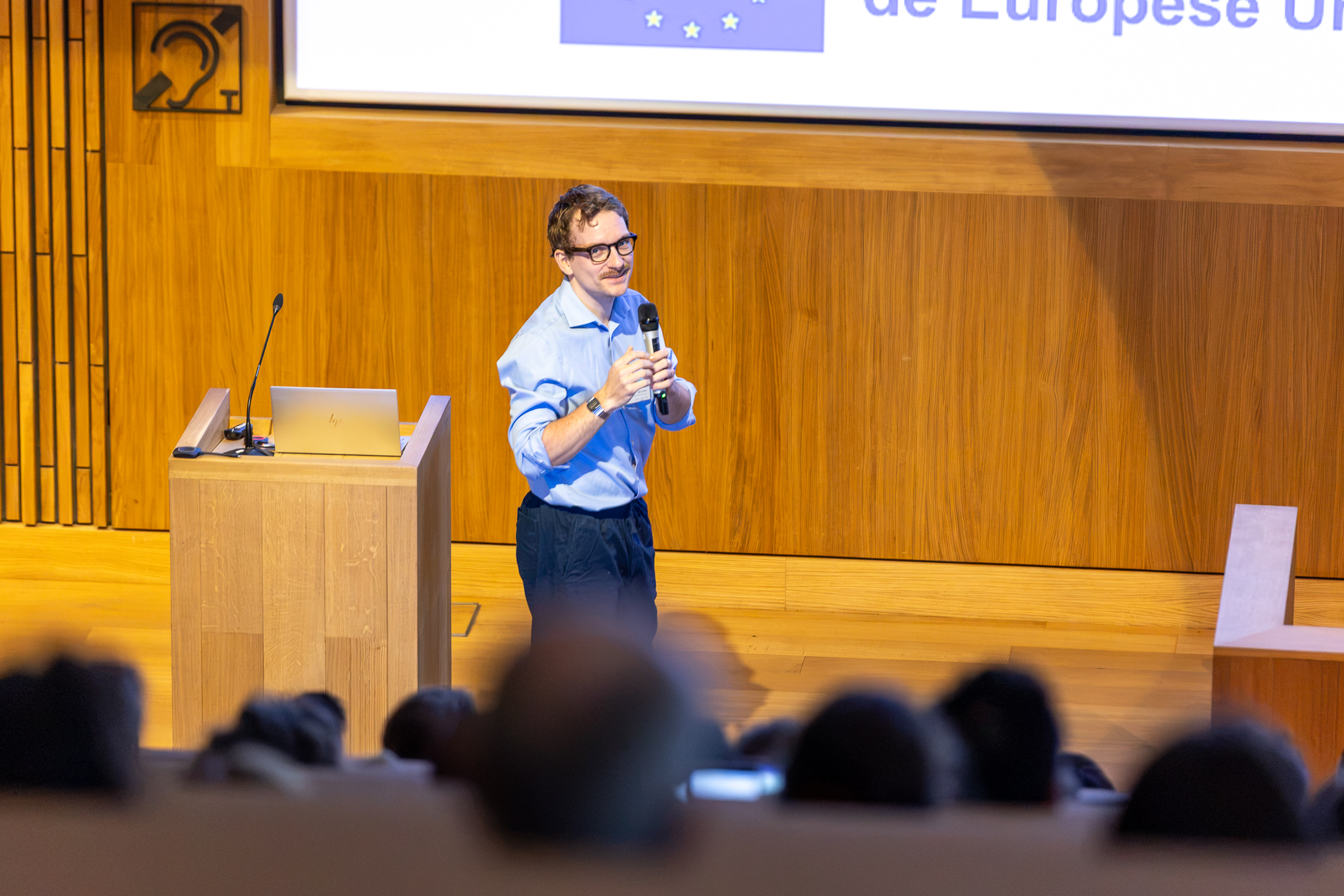
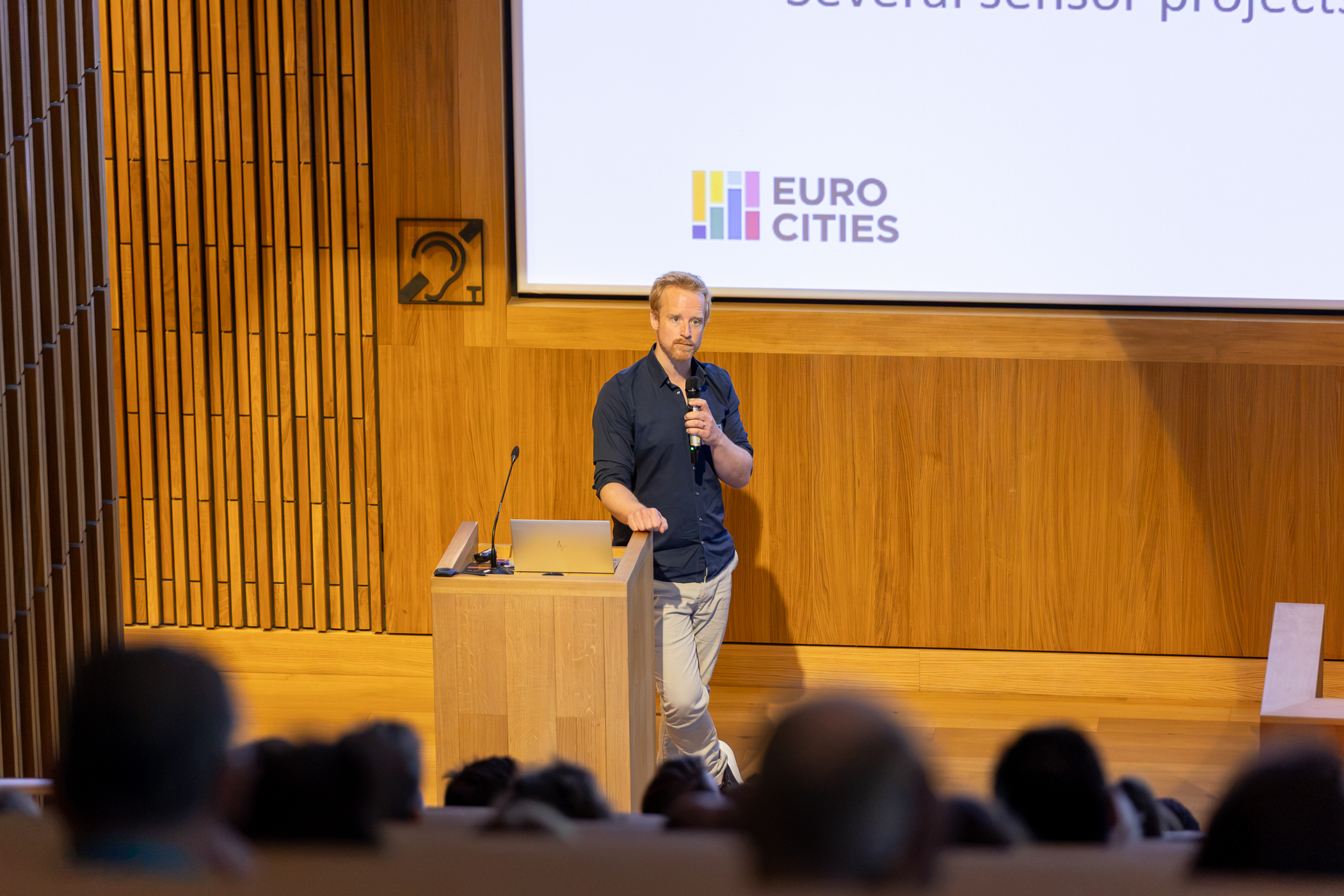
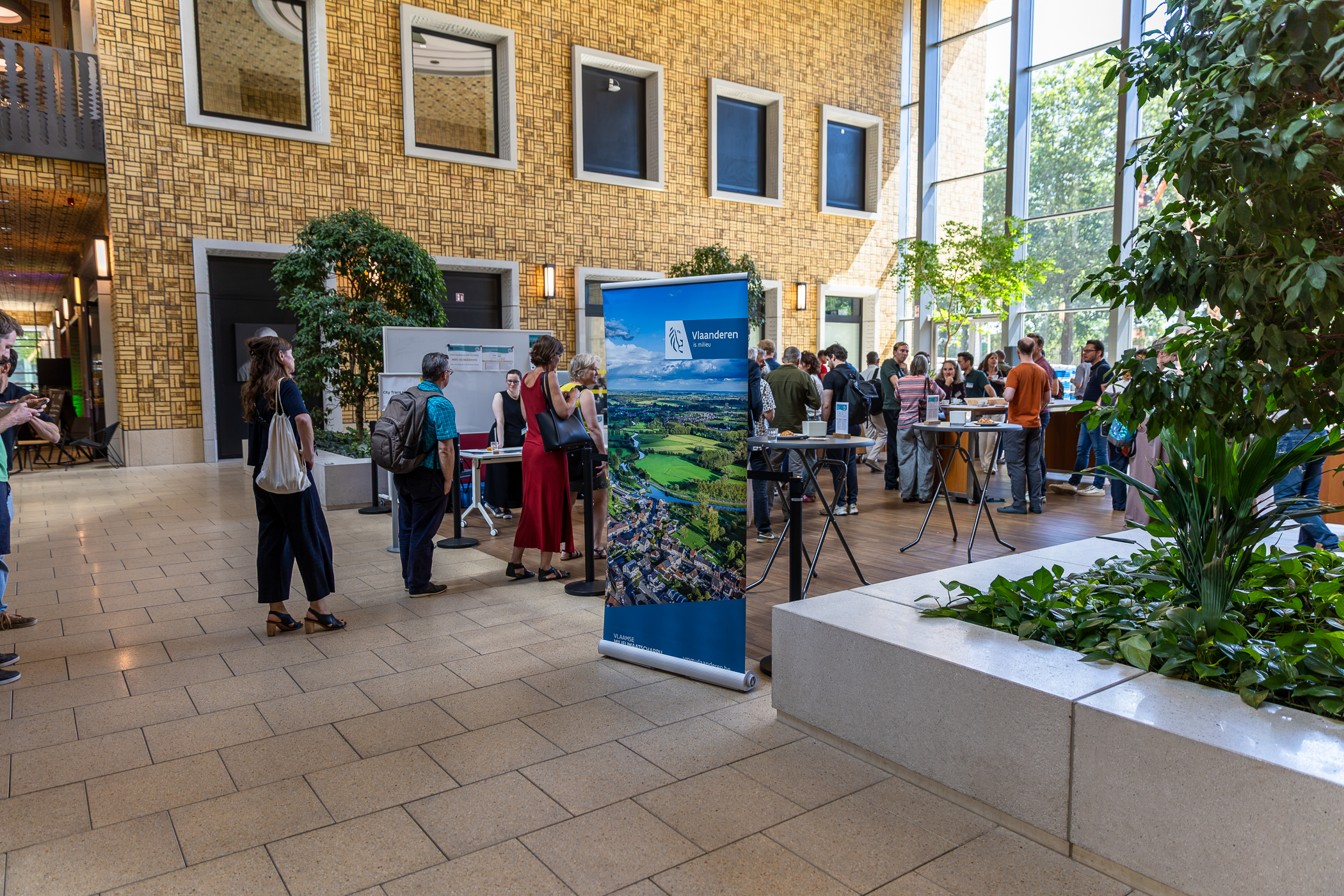
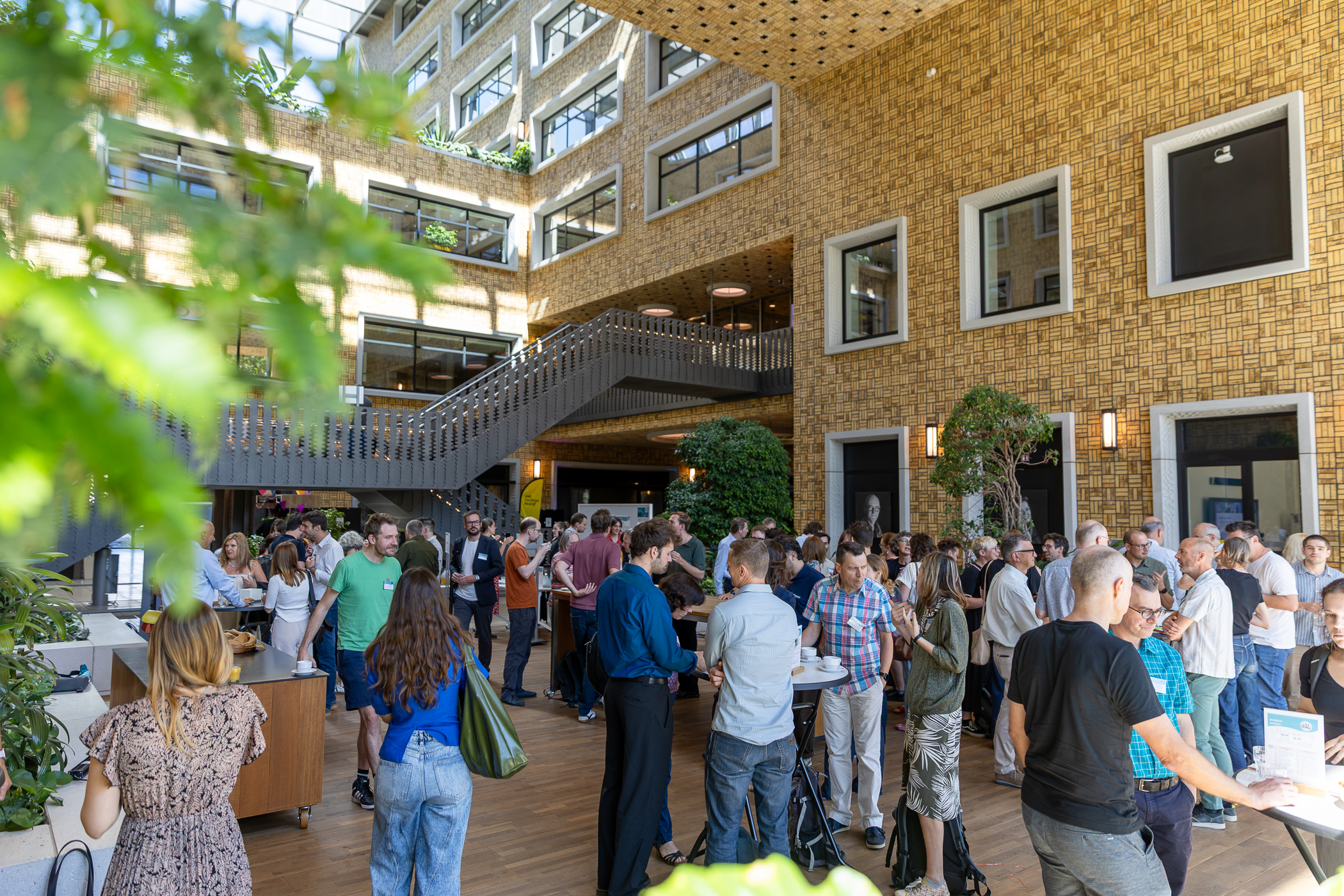
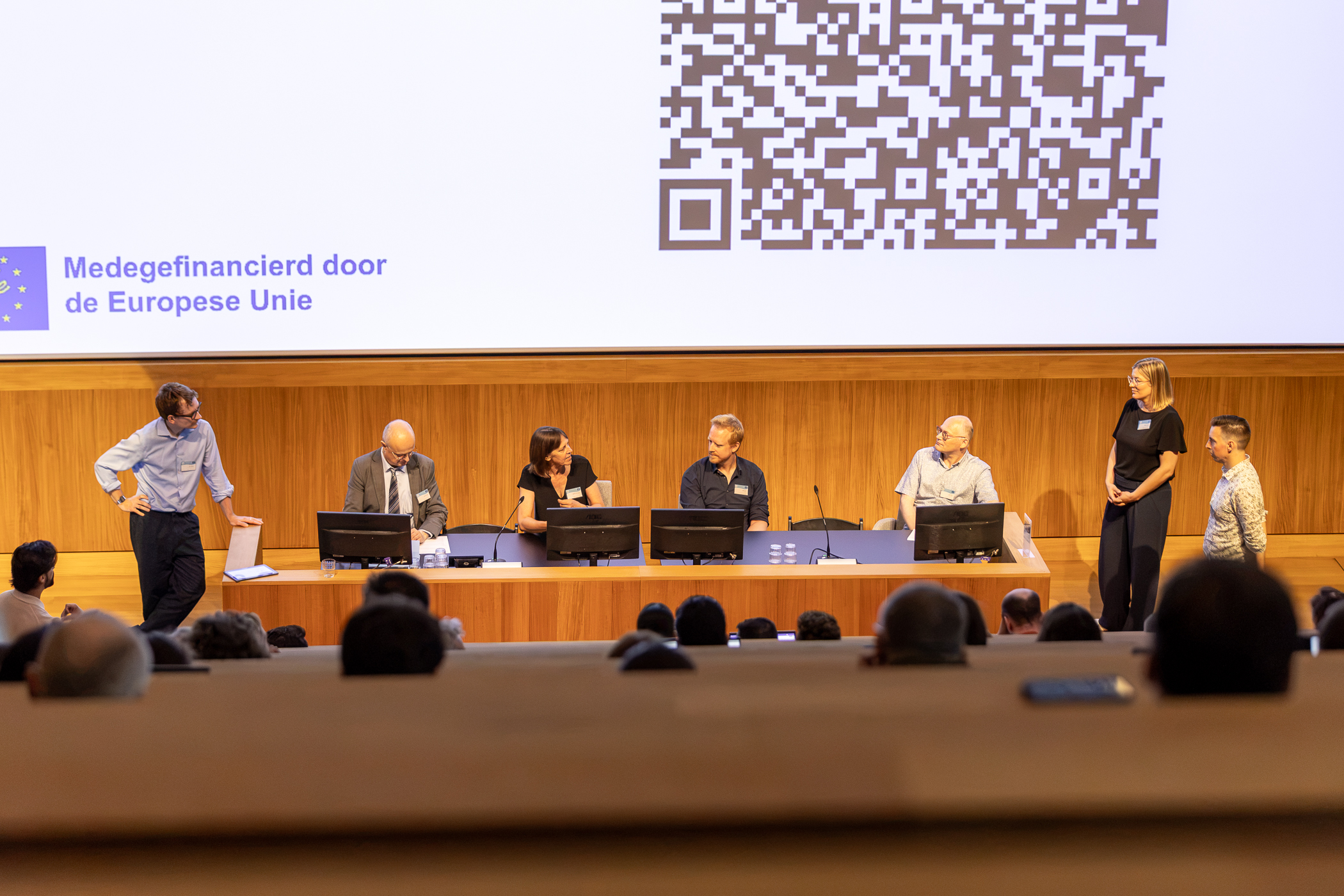
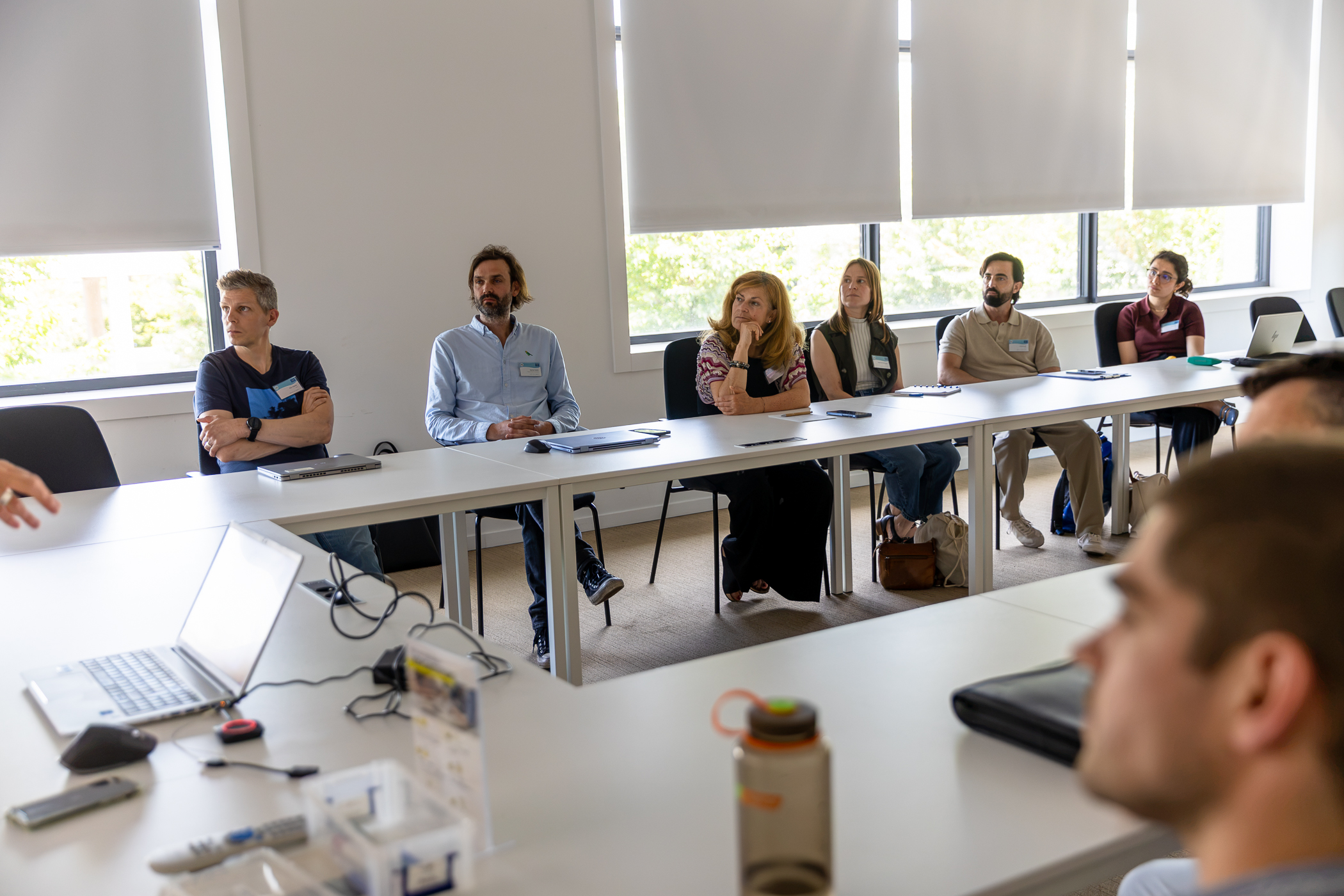
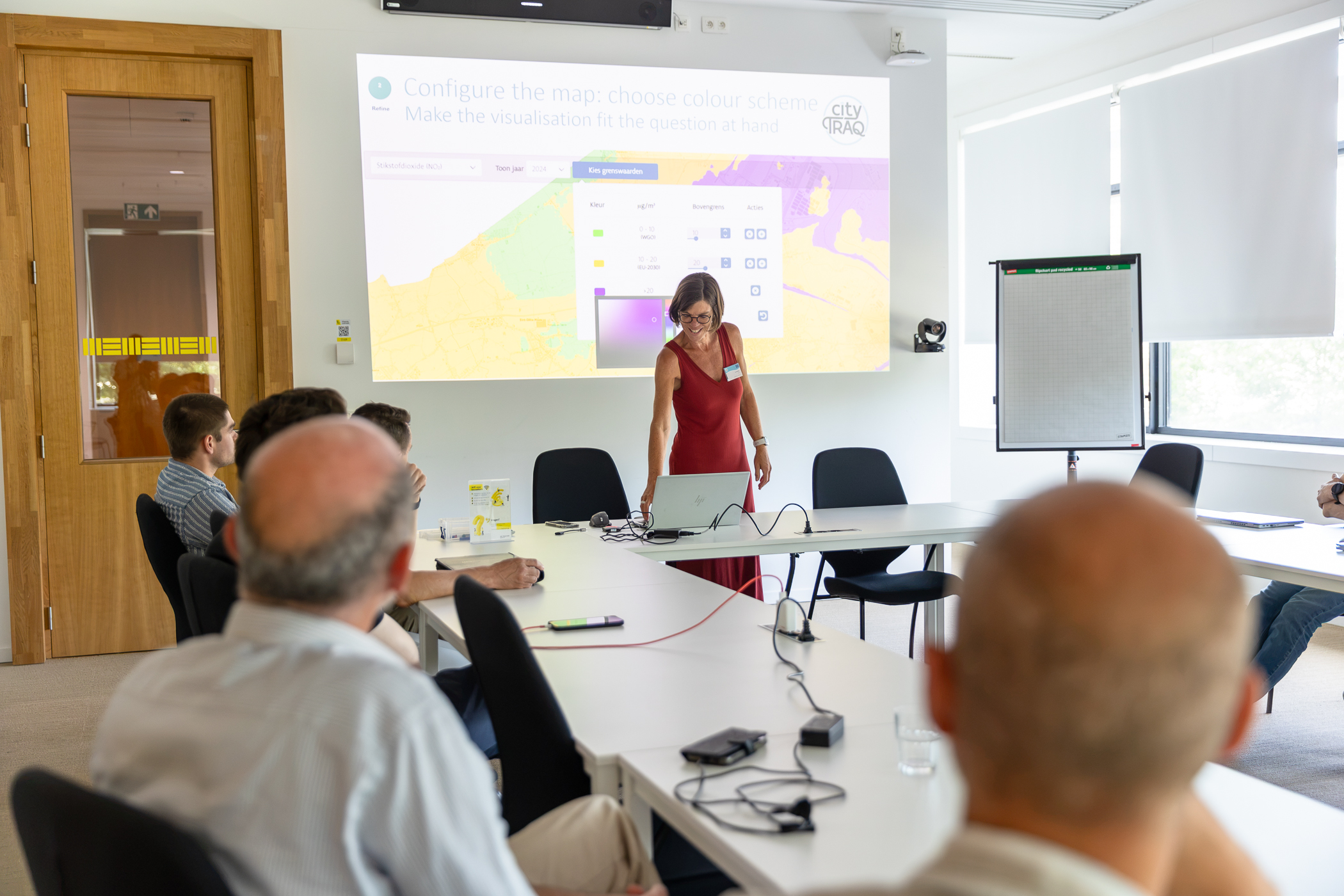
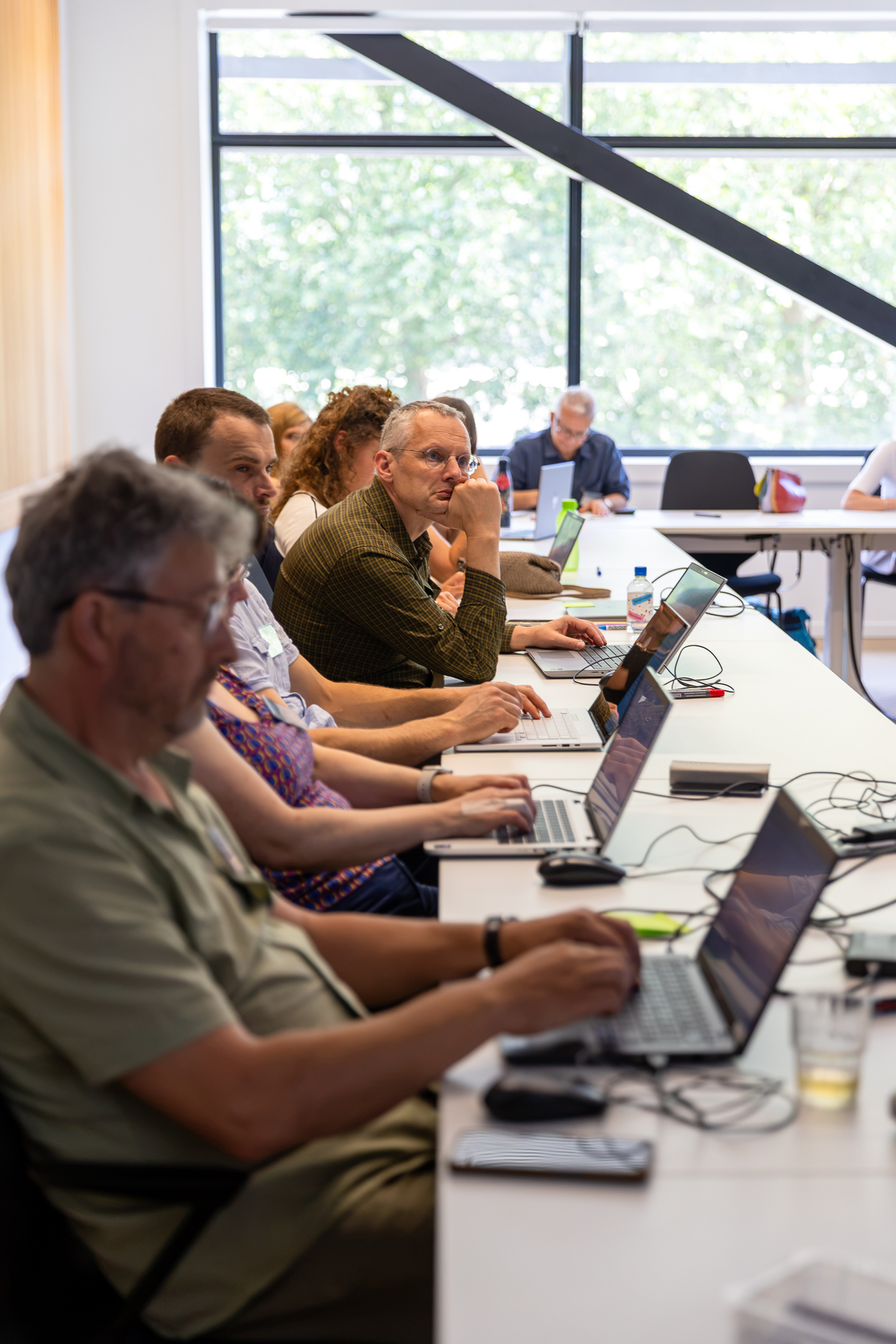
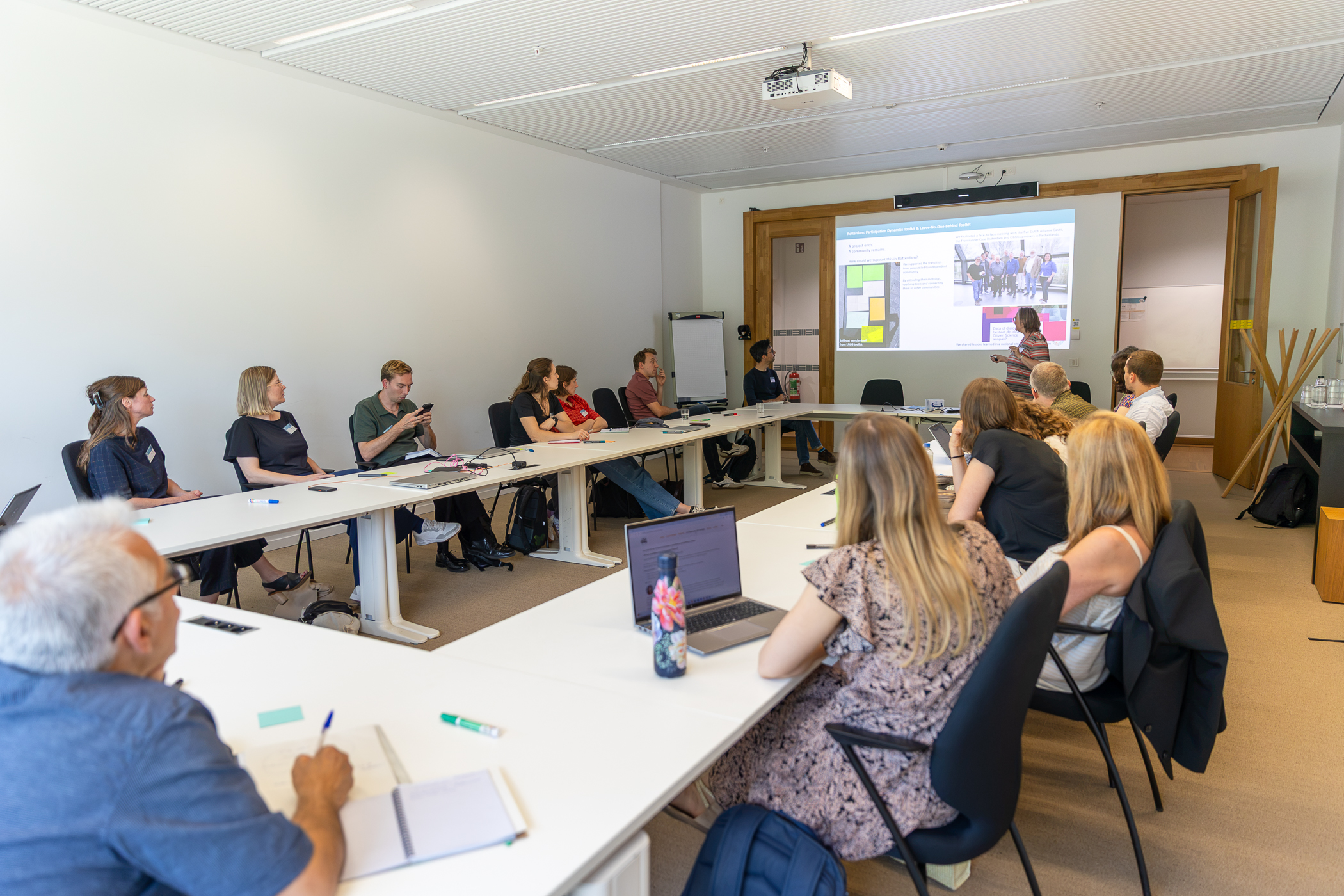
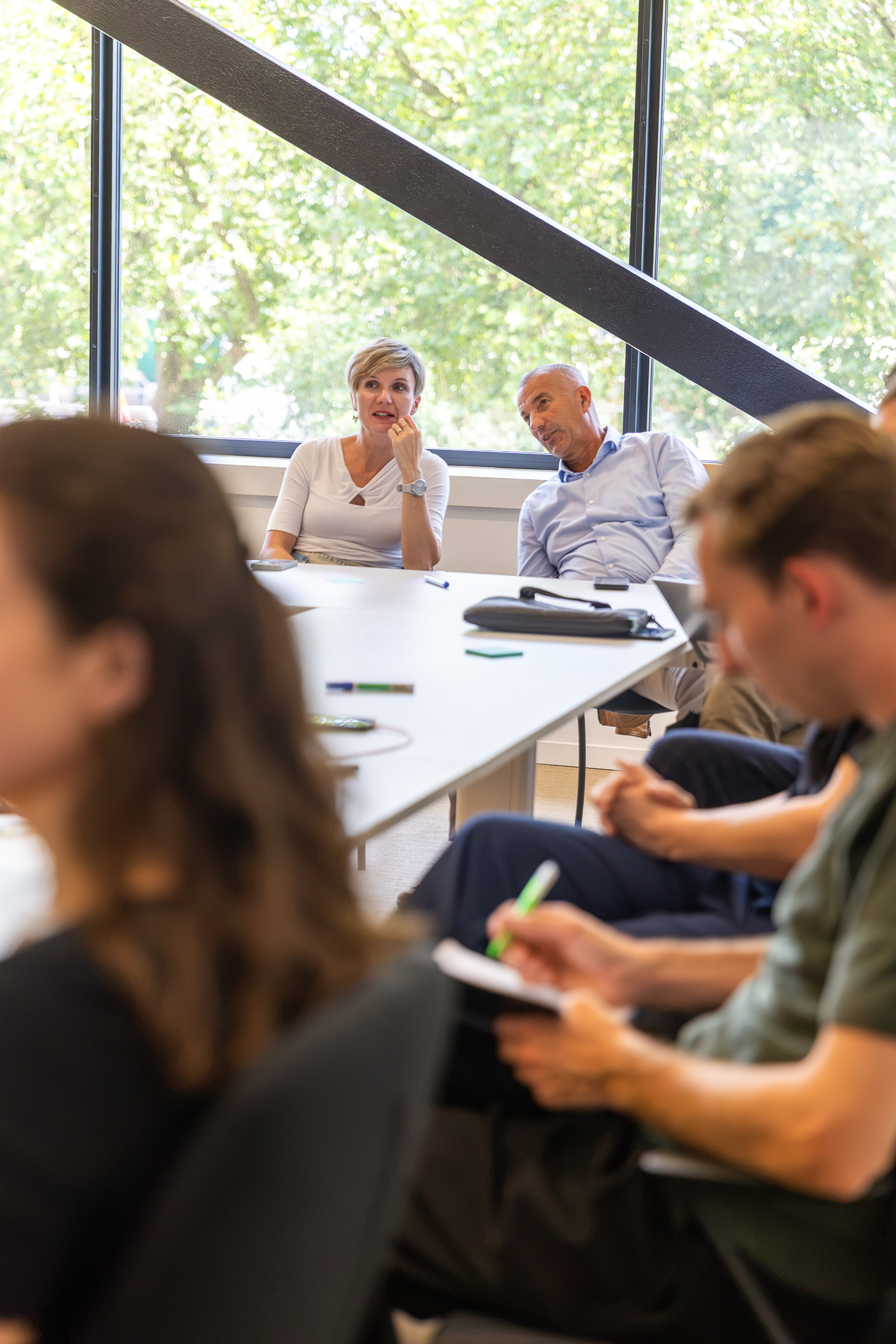
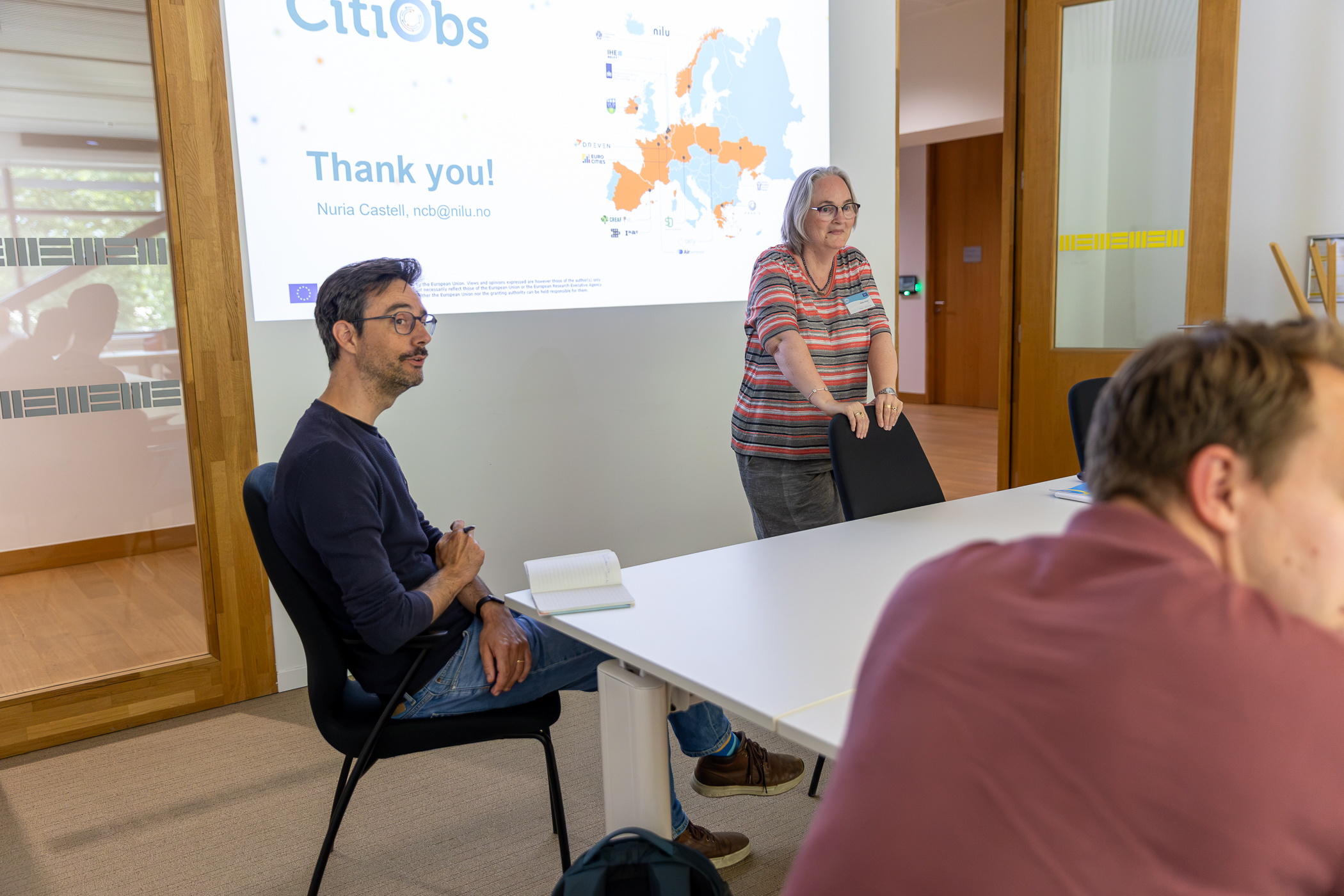
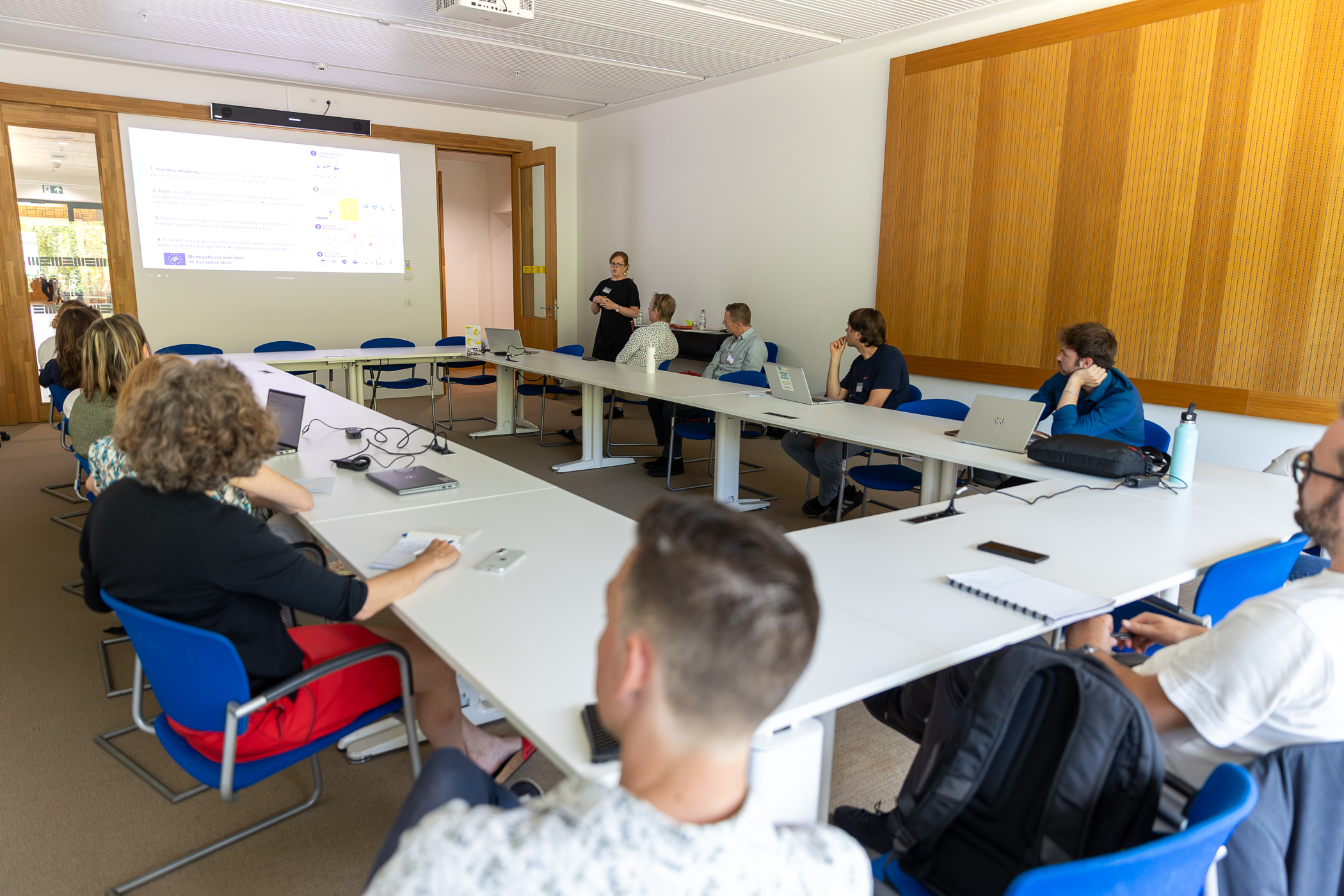
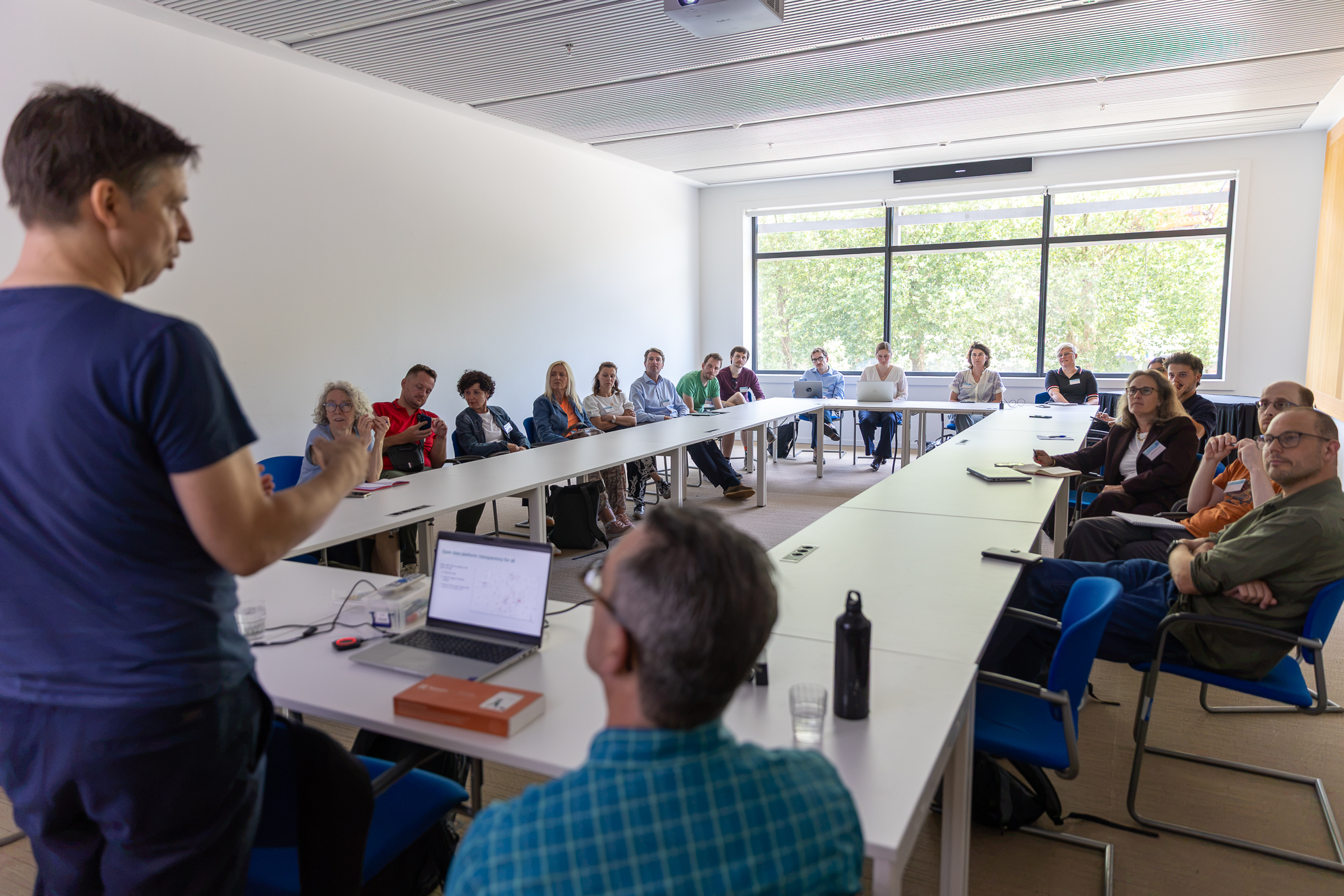
Photos of the day
Contact information
If you have any questions or comments, you can contact us via citytraq@vmm.be.